Ski Trip Packing List: What to Bring, Rent, and Leave at Home
You’ve booked the trip, checked the forecast, and started counting down the days. Now comes the part that feels less exciting: packing. This ski trip packing list will help you cover the essentials, sort out your rentals, and leave behind the things you won’t use.
Whether you’re driving to Michigan for two days or flying out west for a week, the goal is the same: arrive ready to ski.
My advice is to pack for your actual plans. Start with what you need on the slopes, then add what you need for travel and the evenings. A hotel weekend and a week in a rental house won’t require the same bag.
This guide covers general resort skiing. Use it as a starting point, then adjust for your forecast, ski days, and lodging.
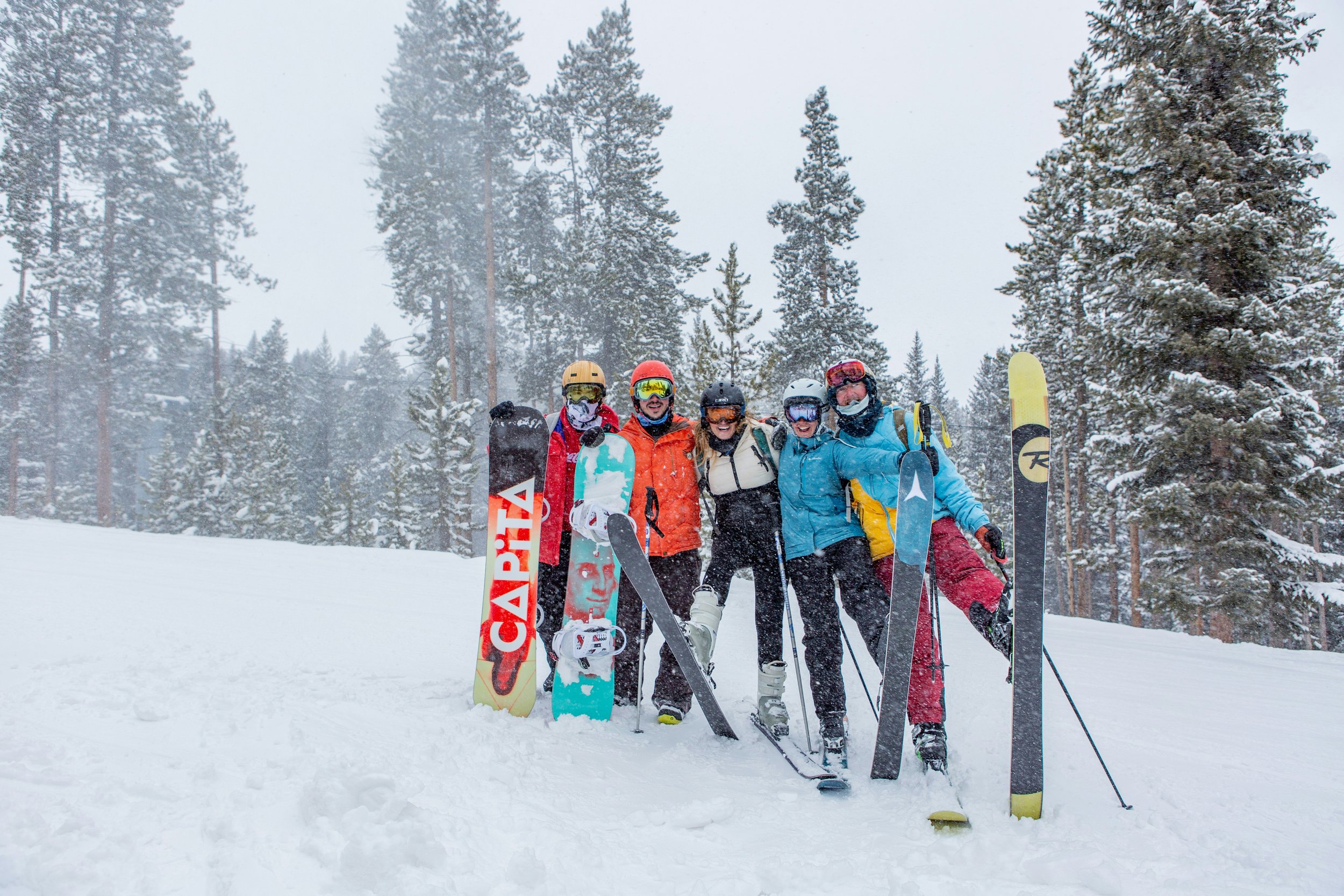
Your Ski Trip Packing List at a Glance
Before you start filling your bag, run through these groups. Mark anything you plan to rent so you remember to reserve it.
Ski equipment: Skis, boots, poles, and helmet
Ski clothing: Base layers, midlayer, ski jacket, pants or bibs, and ski socks
Accessories: Goggles, gloves or mittens, and neck gaiter
Small essentials: Sunscreen, lip balm, snacks, water, phone, and charger
Travel and lodging: ID, payment method, pass, reservations, toiletries, and medications
After skiing: Comfortable clothes, underwear, dry socks, sleepwear, and winter footwear
A checklist works best when it matches your trip. Keep reading before treating every item as a must-have. For ski equipment, we have other, more in-depth, guides that cover specifics for your ski conditions and trip. Check those out here.
Clothing: Pack Layers That Work Together
Your ski clothing has three main jobs: manage sweat, keep you warm, and block the weather. Here’s the simple version:
Base Layer
This moves sweat away from your skin. Think wool or synthetic tops and bottoms. This is a very important layer that is often overlooked, and beginners often make a crucial mistake. Use merino wool or a synthetic material like polyester, not cotton. Cotton retains moisture from your body and can make you colder than before, plus it takes longer to dry and can get gross quickly. This is a crucial piece of gear that you can’t forget to put on your ski trip packing list.
Mid Layer
This layer helps hold body heat in, and it’s the most interchangeable. Midlayer items range from fleece, a light insulated jacket, or a sweater. My personal favorite option is a quarter-zip, because there are many different styles, some thicker than others. For a name brand example, this fleece quarter-zip from Spyder is a great option. For a budget-friendly options, still with great quality, check out the East of West shop.
Outer Layer
Last but not least, the outer layer. This is what you are probably most familiar with when it comes to skiing. These items protect against the wind, snow, and weather. These are your ski jackets and shells, plus ski pants or bibs. There are lots of varying options here. Likely you already have a winter jacket, so don’t feel like you have to spend a ton here – the most important part is it keeps you dry and protected.
Hands, Neck, Eyes
Bring insulated gloves or mittens, goggles, and a neck gaiter. A spare pair of gloves can be worth the space if the first pair gets wet. If you have interchangeable goggle lenses, pack the ones suited to the expected light.
Midwest note: A long weekend in Michigan can mean fewer clothing changes, but it doesn’t mean you can skip warmth. Check the forecast and whether you’ll be skiing after dark before choosing your layers.
Accessories: Remember the Small Essentials
These items don’t take up much room, but they’re easy to overlook on your ski trip packing list:
Sunscreen and SPF lip balm (snow reflection and higher elevations increase UV radiation, even in the winter)
Lift pass or ticket confirmation
ID and a payment method
Phone and charging cable (portable chargers are great here, too)
Prescription medications and personal toiletries.
Snacks and a water bottle.
Goggle bag and a suitable lens cloth.
You don’t need every item in your jacket pockets. Keep your pass, phone, payment method, and a small snack accessible. Store full-size toiletries and spare clothing at your lodging or in the car. Decide whether water belongs in a small pack or whether you’ll take regular breaks. Save reservation details before departure, too. It’s easier to find your confirmation now than to search your inbox while everyone else is ready to go.
Pack for the Hours After Skiing
Once you’re out of your boots, dry clothes and comfortable shoes will earn their space in your bag. For those of you new to skiing, there is no better feeling than taking off your boots after a long day on the slopes.
For your ski trip packing list, make sure to add underwear, regular socks, sleepwear, a comfortable outfit, and footwear for winter conditions. A hoodie is an easy choice for the drive, dinner, or hanging out with friends. Don’t forget that everyone its going to be exhausted after a long day of skiing – this isn’t a beauty contest!
Check the lodging before adding extras. Bring a swimsuit if you’ll use a pool or hot tub. Plan groceries if there’s a kitchen and you want to cook. Add laundry supplies if you’ll have access to a washer.
A separate bag for dirty or damp clothing helps keep it away from clean clothes. When you reach your lodging, take wet items out so they can dry.
Adjust Your Ski Trip Packing List for Your Plans
The most important part of creating a ski trip packing list is tailoring it you your needs. There is no one-size-fits-all, and that’s part of what makes skiing so fun and personal! Here are some common scenarios people ask me about:
A Midwest Weekend by Car
For two days in Michigan or Wisconsin, start with ski essentials and a small set of evening clothes. Leave extra outfits and a week’s worth of toiletries at home.
Keep boots and a dry change of clothes easy to reach, especially if you’re driving home after skiing. Pool clothes and groceries depend on your lodging.
A Longer Ski Vacation
Bring enough socks and base layers to rotate or plan to do laundry. Pack medications and toiletries for the full stay. Spare gloves may be useful when you’re skiing daily with limited drying time.
Flying With Equipment
Check your airline’s sports-equipment policy, weight limits, and fees before packing. American Airlines’ policy is one example; use the rules for your own carrier and always make sure to double check.
If you plan to carry boots aboard, check the cabin bag limits. TSA allows ski poles in checked luggage, but not carry-on bags.
For every trip, check the ski area’s forecast. Wind, precipitation, and the hours you’ll be outside should guide your final clothing choices.
Ready to Pack
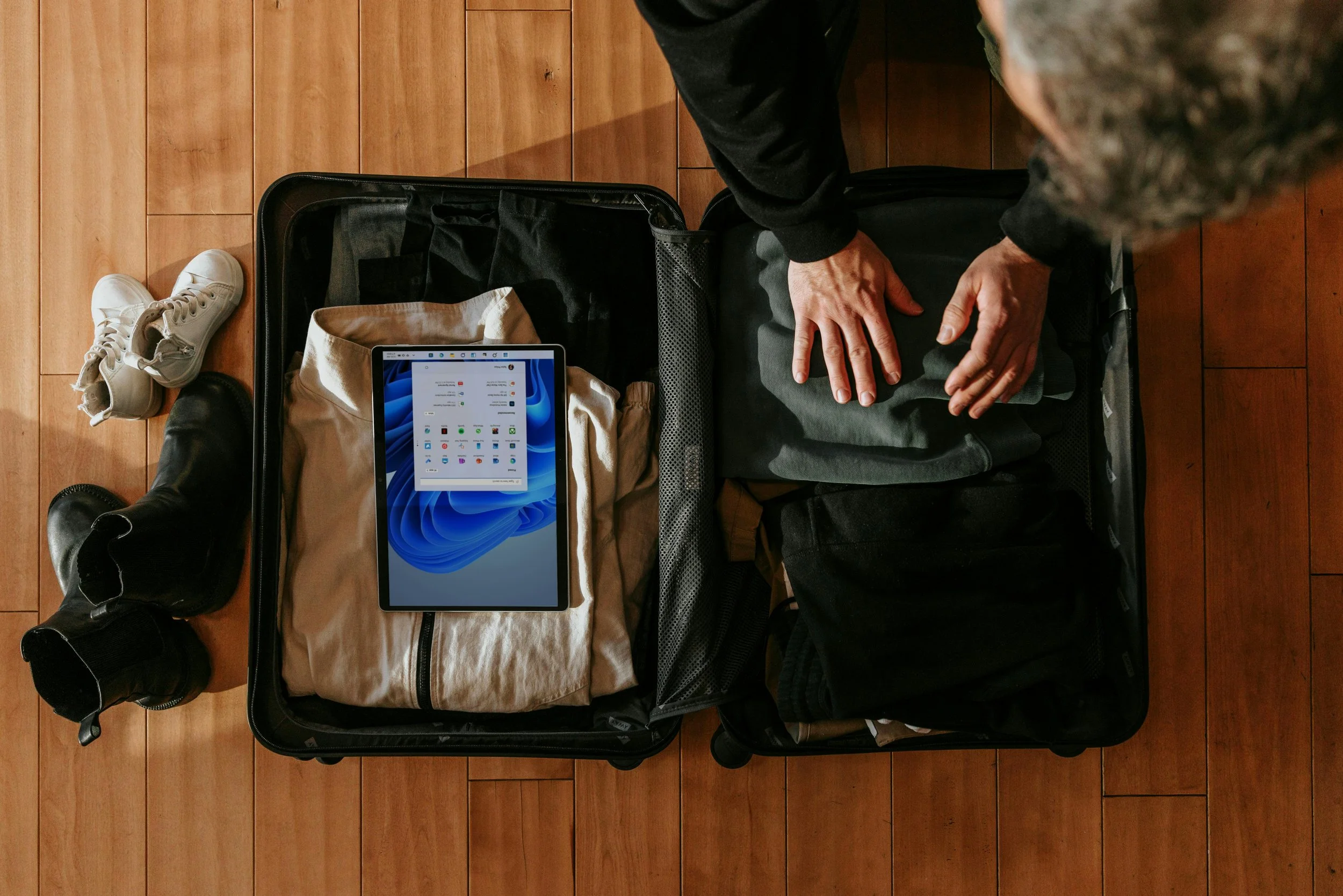
Check what you already own, confirm your rentals, and add the extras your plans require. You don’t need to buy something new for every item on the list. Use this Ski Trip Packing List as your starting point, then adjust it for your ski days, travel, and forecast. Save it before packing and give it one last look before leaving.
Don’t forget to make the trip your own, either. A sticker on your helmet or water bottle can show a little personality and give another skier something to ask about.
At East of West, we want to help you get more out of skiing and celebrate the hills that bring us together. If you want to bring some pride along for the ride, explore our skiing-themed stickers and apparel here and add them to your ski trip packing list.
